
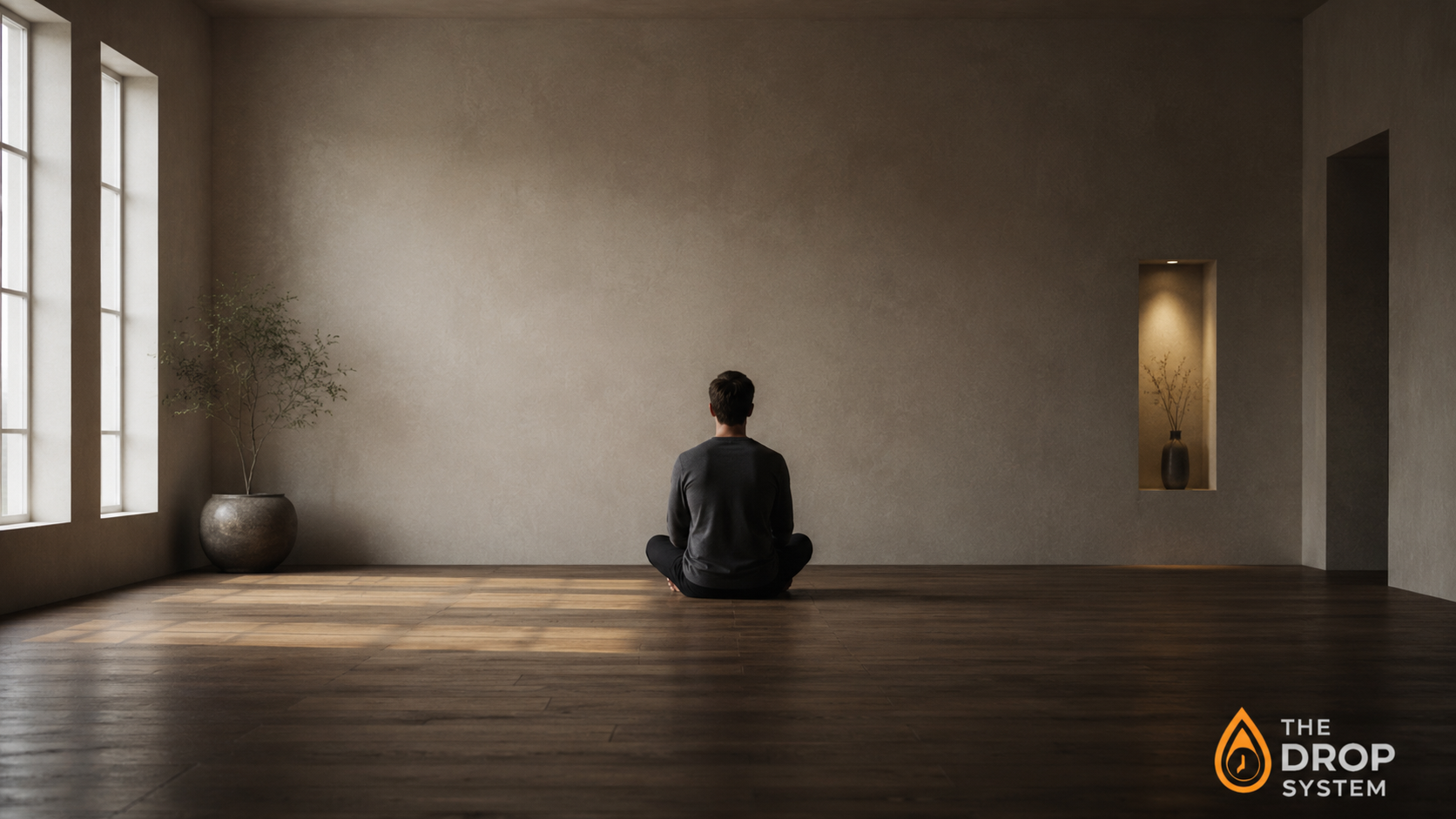
A lot of people no longer experience genuine silence very often.
Not complete silence.
Not the absence of:
- notifications
- background audio
- podcasts
- scrolling
- constant input
Even short gaps now get filled automatically.
Waiting becomes phone time.
Walking becomes podcast time.
Driving becomes content time.
Quiet evenings become second-screen time.
And because this shift happened gradually, most people barely noticed it happening.
But the consequences are becoming harder to ignore.
Why silence now feels strange
For many people, silence no longer feels neutral.
It feels:
- boring
- restless
- uncomfortable
- unproductive
- emotionally exposed
That reaction is important.
Because silence itself is not the problem.
The problem is what silence reveals once constant stimulation disappears.
Without input, many people suddenly become aware of:
- stress
- exhaustion
- anxiety
- unresolved thoughts
- emotional overload
Continuous stimulation often functions as distraction from internal experience.
Not consciously.
But effectively.
The hidden mechanism: constant occupation of attention
Modern environments rarely leave attention unoccupied.
The moment cognitive space appears, something moves to fill it:
- content
- music
- alerts
- messages
- entertainment
- endless recommendations
That means many people now spend very little time:
- reflecting
- processing
- thinking deeply
- sitting with discomfort
- allowing thoughts to settle naturally
The nervous system remains continuously engaged.
And over time, stillness begins to feel unfamiliar.
Why this matters more than people realise
Silence is not just absence.
It creates conditions for:
- reflection
- emotional processing
- creativity
- memory consolidation
- nervous system recovery
- deeper thinking
Without quiet space, the brain remains in constant input mode.
And constant input mode changes the quality of thought itself.
Many people now struggle to:
- think clearly without stimulation
- sit with one idea deeply
- process emotions properly
- stay present without reaching for distraction
Not because they are incapable.
Because they have become adapted to continuous engagement.
Why modern life quietly trains avoidance
This part matters.
Many stimulation habits are not really about entertainment.
They are about avoidance.
Not dramatic avoidance.
Micro-avoidance.
Tiny escapes from:
- boredom
- uncertainty
- discomfort
- emotional stillness
- cognitive emptiness
Every time silence appears, stimulation rushes in to replace it.
Over years, this can make internal quiet feel increasingly difficult to tolerate.
If this is resonating, you’ve got three options.
You can carry on reading and let it sit as awareness.
You can explore the books on Amazon and start applying the framework in your own way.
Or, if you want structured support to actually install this properly and make it stick, you can join the training.
Why boredom is psychologically important
Historically, boredom created space for:
- imagination
- reflection
- experimentation
- deeper observation
Now boredom often lasts seconds before interruption arrives.
Phone.
Scroll.
Refresh.
Stimulate.
That changes the nervous system over time.
The brain gradually becomes less tolerant of under-stimulation and more dependent on novelty.
This is one reason many people now:
- struggle to read deeply
- find stillness uncomfortable
- feel restless during quiet moments
- constantly seek low-level stimulation
Again:
not because they are weak.
Because repeated environments shape behavioural expectation.
A realistic modern example
Imagine sitting alone in a café waiting for someone.
Ten years ago, many people would:
- look around
- think
- daydream
- simply wait
Now most people immediately:
- unlock their phone
- check messages
- scroll something
- consume input
The behaviour feels tiny.
But multiplied across years, it changes attention patterns significantly.
Moments that once allowed mental drift and reflection disappear almost entirely.
The DROP lens: silence as cognitive recovery
This is where silence becomes practical rather than philosophical.
Silence helps restore:
- attentional stability
- emotional regulation
- cognitive depth
- nervous system calm
Not because silence is magical.
Because uninterrupted mental space allows the brain to settle.
This is increasingly rare in modern environments.
And rarity increases value.
What will feel uncomfortable
Reducing stimulation and reintroducing quiet often initially creates:
- restlessness
- boredom
- urges to check devices
- racing thoughts
- emotional discomfort
That reaction is understandable.
Most people are not used to unoccupied attention anymore.
The nervous system has adapted to constant engagement.
And adaptation takes time to soften.
Why this matters long term
Without quiet space:
- emotional processing weakens
- reflection decreases
- attention fragments faster
- cognitive fatigue accumulates
Eventually many people lose the ability to feel genuinely settled without stimulation nearby.
That creates a strange paradox:
People feel exhausted by constant input while simultaneously struggling to tolerate its absence.
That tension sits underneath a huge amount of modern restlessness.
Summary
Silence has become uncomfortable for many people because modern environments continuously occupy attention.
Constant stimulation reduces opportunities for:
- reflection
- recovery
- emotional processing
- deeper thinking
This is not about rejecting technology or romanticising the past.
It is about recognising that uninterrupted mental space has become increasingly rare.
And increasingly valuable.
If you want to explore this work further
These ideas connect deeply into the wider work around attention, modern life and cognitive recovery.
You can explore more essays and long-form thinking at adamfoxofficial.com
Or explore the wider body of work on Amazon
One response to “Silence Has Become Uncomfortable (And That Should Concern You)”
[…] If this feels familiar, you may also want to read “Why Quiet Feels So Uncomfortable Now” […]