
-

Be honest. How many times have you picked up your phone today? Not because it rang. Not because somebody messaged you. Not because you needed to do something. Just… because. You unlocked it. Looked at the home screen. Opened an app. Closed it. Then put it back down again. Five minutes later, you did exactly…
-

Have you ever sat down to relax… Only to find yourself reaching for your phone within seconds? Not because it rang. Not because somebody messaged you. Not because you actually needed it. Just because it was there. Or perhaps because it wasn’t. For many people, the absence of their phone now creates a strange feeling.…
-

You finally sit down after a busy day. Nothing is obviously wrong. There is no emergency. Nobody is demanding anything from you. Yet your body still feels tense. Your thoughts are moving too quickly. You feel restless without knowing what you are supposed to be doing. Your phone is nearby, but checking it does not…
-

You open social media for five minutes. Half an hour later, you put your phone down. Nothing particularly bad happened. You didn’t argue with anyone. You didn’t read devastating news. You didn’t watch anything especially upsetting. And yet… You somehow feel worse than when you picked it up. More tired. More distracted. Less motivated. Mentally…
-

Why quiet feels uncomfortable is not difficult to understand once you look at how most of us now live. We wake to alarms. We check messages. We listen to the radio, music or podcasts while getting ready. We drive with navigation instructions, calls or audio playing. We work around conversations, notifications, emails and meetings. We…
-
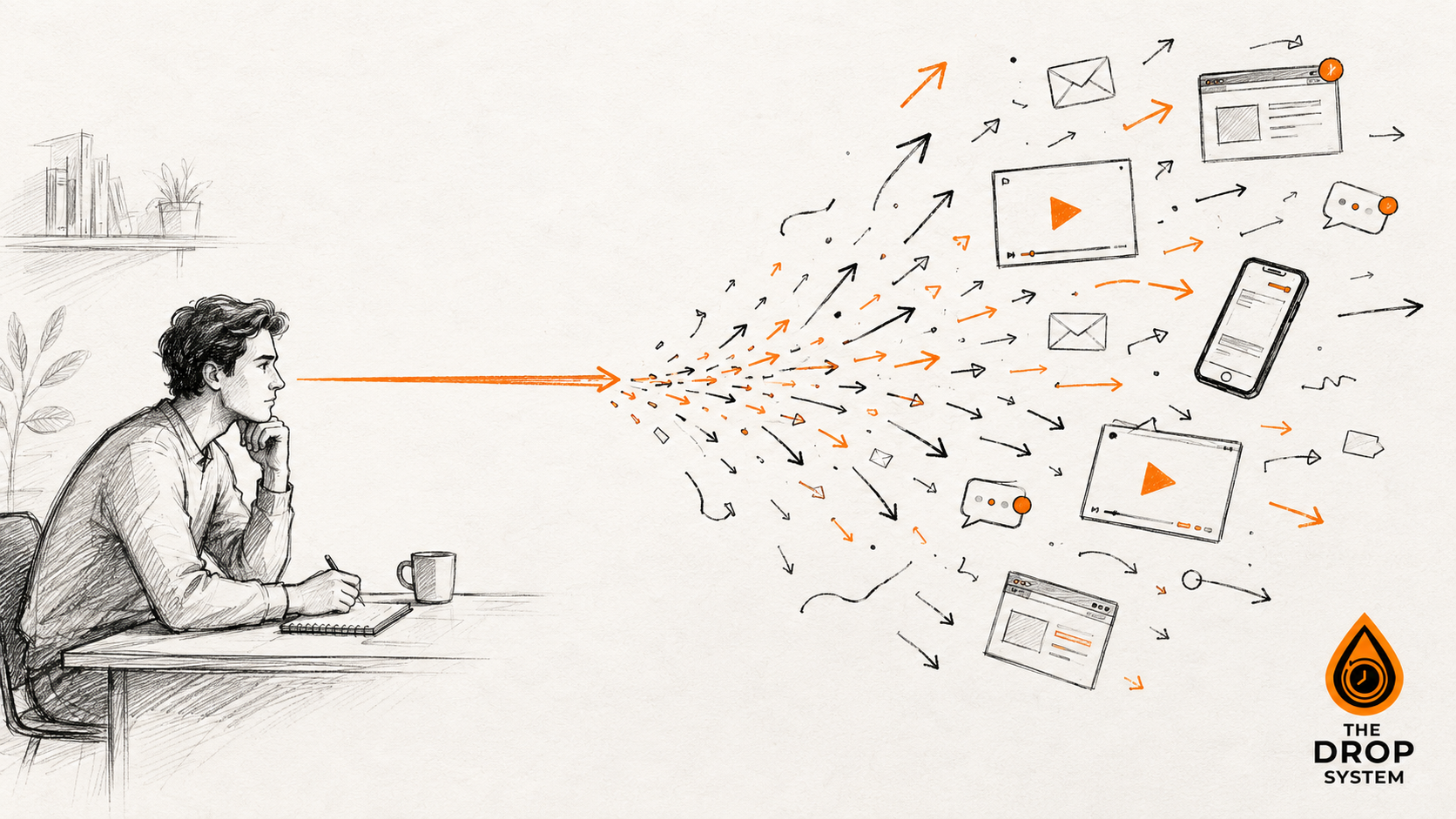
You sit down to read something important. Within minutes, your hand reaches for your phone. You start watching a film but feel the urge to check messages before the opening scene has finished. You open an email, switch to another tab, remember something else, check a notification and then return to the email having forgotten…
-

Constant input and your brain are now almost impossible to separate. From the moment you wake up, information starts arriving. Messages. Emails. News. Notifications. Podcasts. Videos. Meetings. Music. Social media. Other people’s opinions. Even when you are not actively looking for information, something is usually trying to reach you. It can feel normal because almost…
-

Most people think notifications are helpful. A reminder. A prompt. A useful little nudge. Something designed to keep us informed. And occasionally, they are. But that’s not the whole story. Because notifications do far more than simply deliver information. They influence behaviour. They interrupt thought. They redirect attention. They shape decisions. And they do it…
-
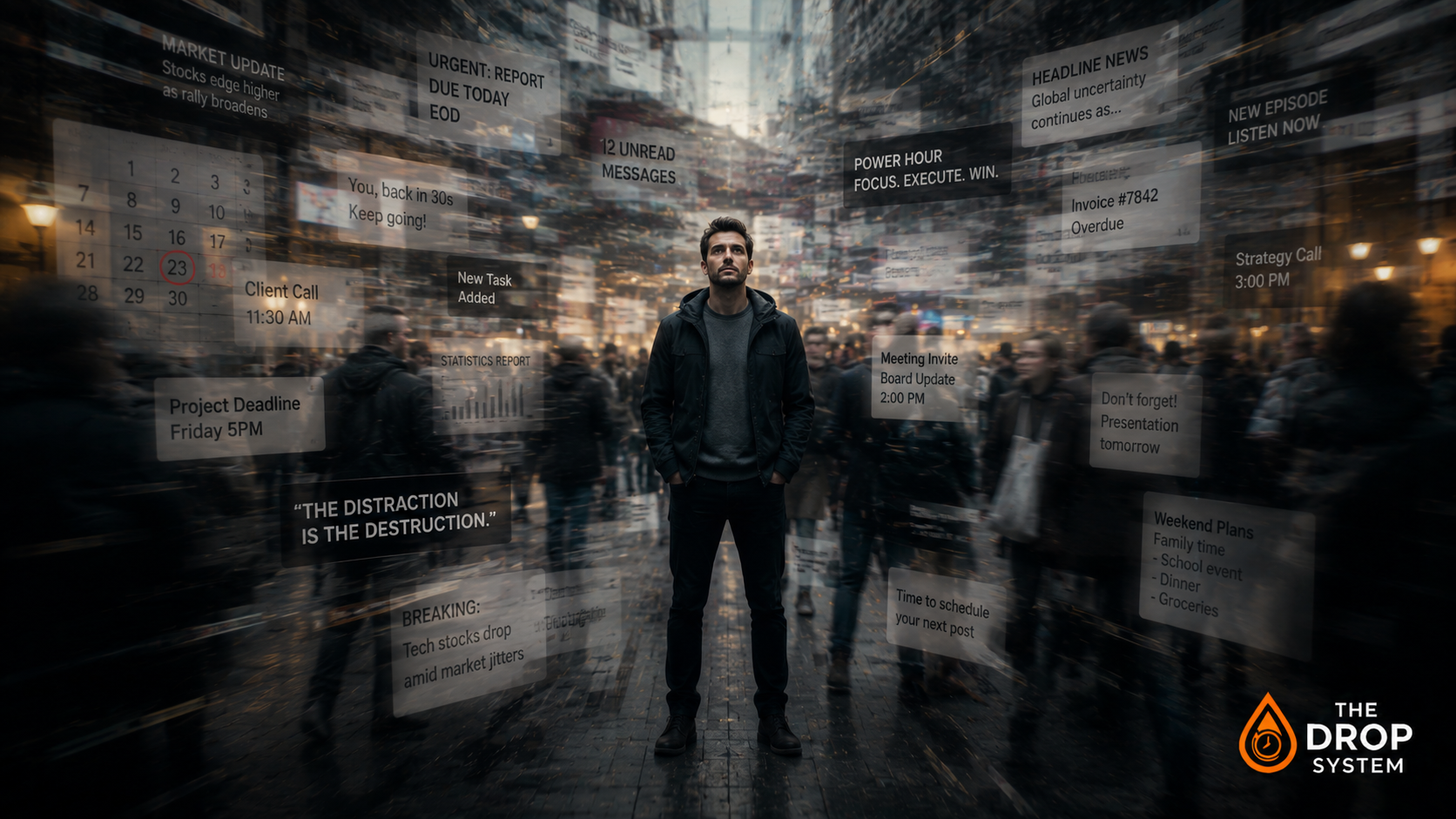
You don’t need to live next to a motorway to feel overwhelmed by noise. In fact, some of the loudest noise in modern life cannot be heard at all. It lives in your inbox. Your notifications. Your social feeds. Your calendar. Your to-do list. Your group chats. Your news alerts. Your endless stream of things…
-

Most people think scrolling is harmless. A few minutes here. A quick check there. Something to fill a gap while waiting for the kettle to boil. Something to do while watching television. Something to pass the time before bed. It feels insignificant. Which is exactly why it is so dangerous. Because the biggest costs of…