
Category: Productivity Tips
-
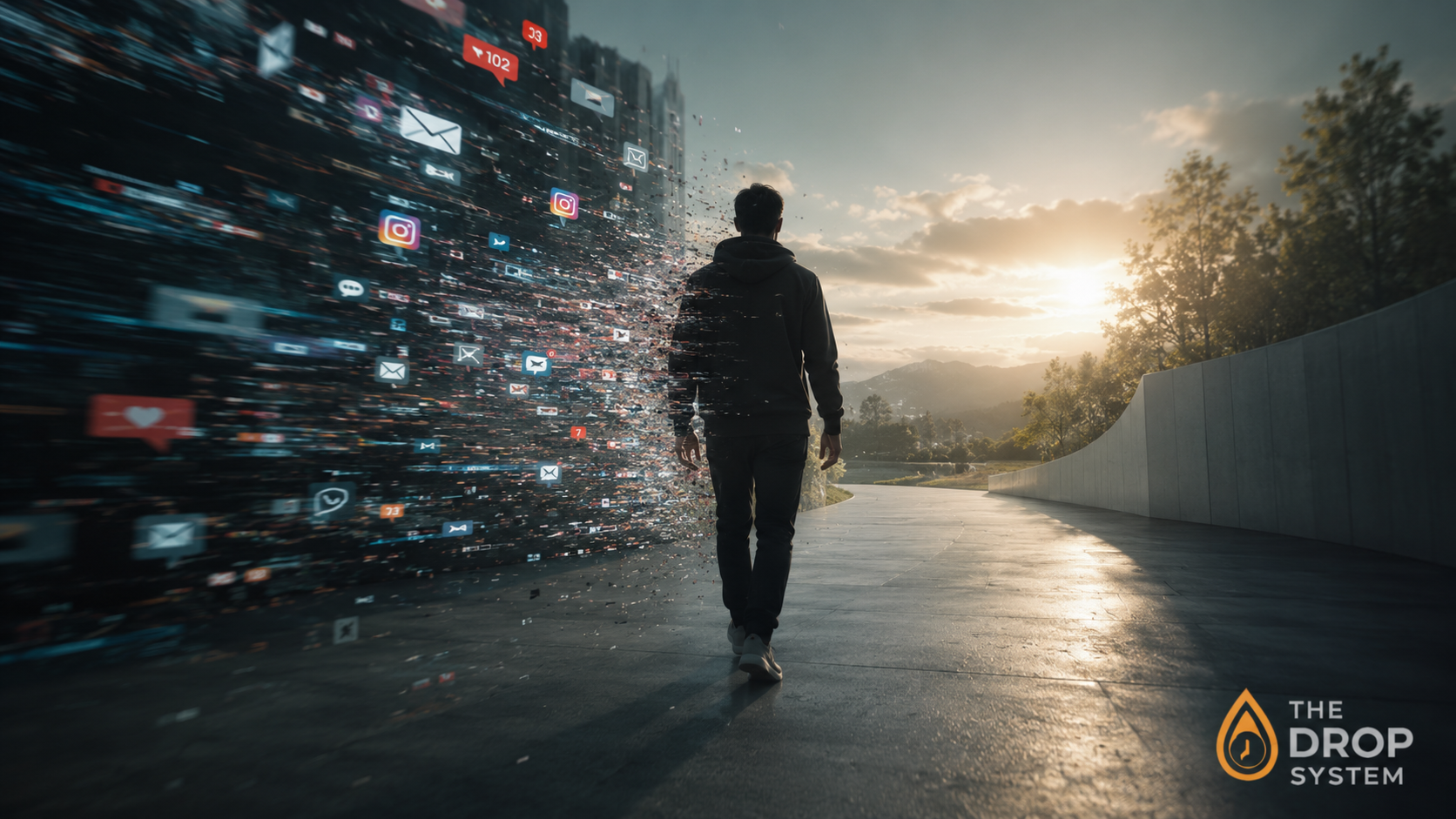
For a long time, productivity was mostly about managing time. Calendars.To-do lists.Schedules.Efficiency. But the environment has changed. The modern problem is no longer just:“How do I manage my time?” Increasingly, it is:“How do I protect my attention?” Because attention now sits underneath almost everything: And for many people, attention is being pulled apart continuously without…
-
A lot of people no longer experience genuine silence very often. Not complete silence. Not the absence of: Even short gaps now get filled automatically. Waiting becomes phone time.Walking becomes podcast time.Driving becomes content time.Quiet evenings become second-screen time. And because this shift happened gradually, most people barely noticed it happening. But the consequences are…
-
Most parents already sense that something has changed. Not always dramatically.Not always catastrophically. But noticeably. Children struggle to stay engaged with slower activities.Boredom tolerance appears lower.Attention shifts faster.Screens become emotionally charged very quickly. And underneath a lot of parental anxiety sits the same quiet question: What is this doing to their brains long term? That…
-
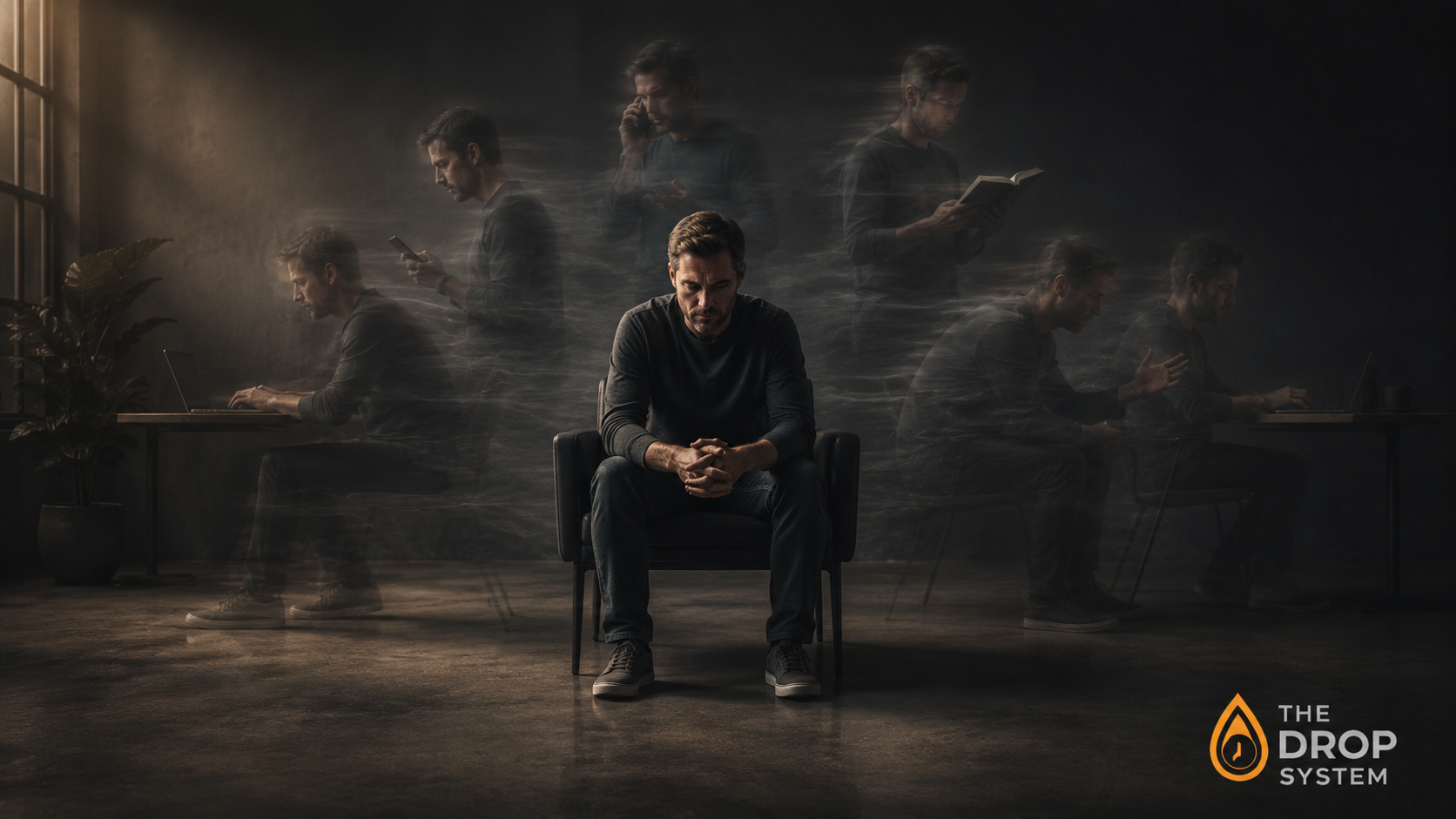
Most people think they are multitasking. In reality, they are context switching. And the difference matters. Because the brain does not smoothly perform multiple demanding tasks simultaneously. It rapidly shifts attention between them. Email.Message.Spreadsheet.Meeting.Phone notification.Back to the original task. Each switch feels small. But the cumulative cognitive cost is far larger than most people realise.…
-
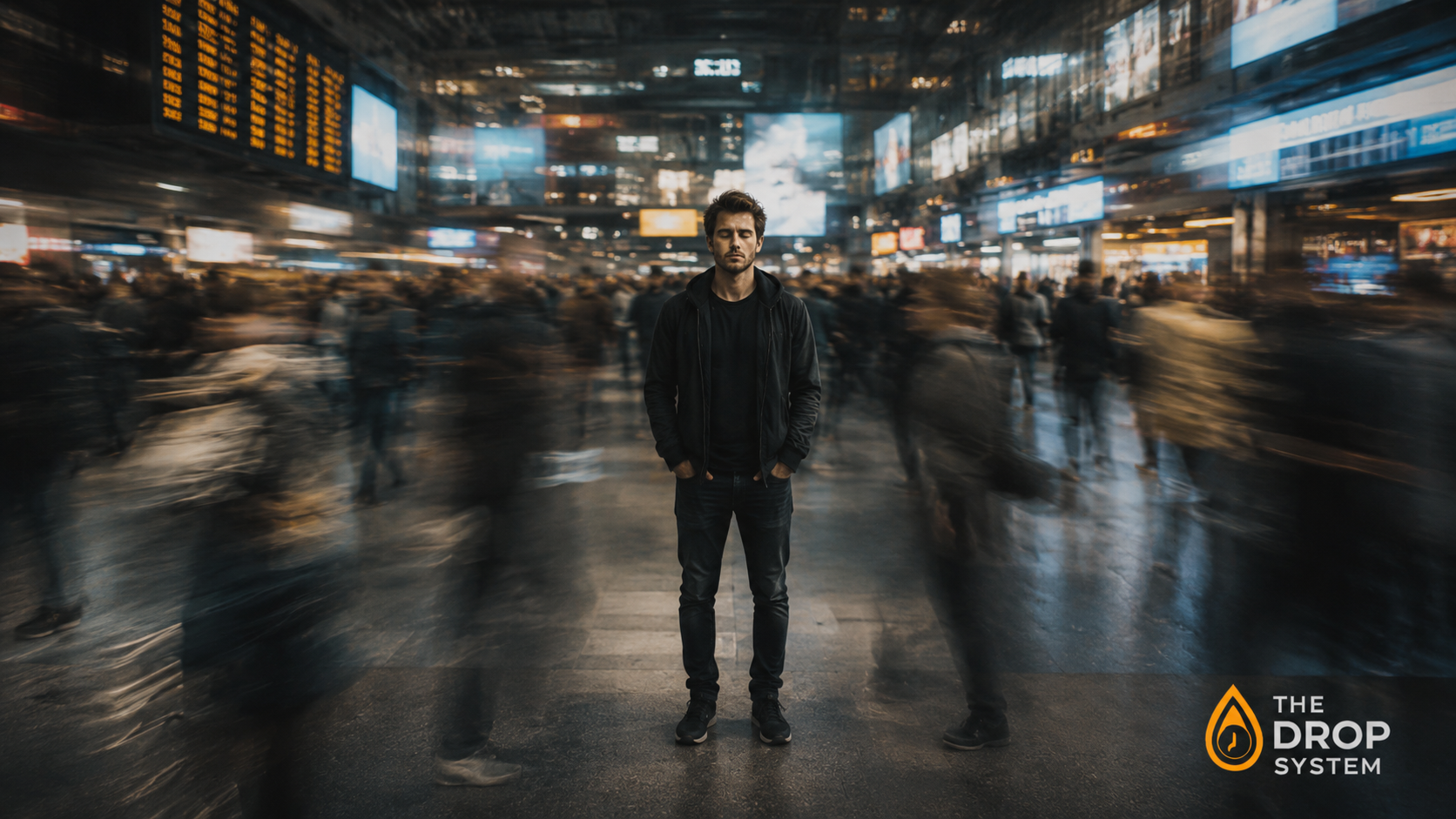
A lot of productivity advice was built for a different environment. An environment with: That environment no longer exists. And that changes how productivity systems behave in the real world. Because many people are trying to apply traditional productivity advice inside conditions that continuously fragment attention. Which means the advice itself is not always wrong.…
-
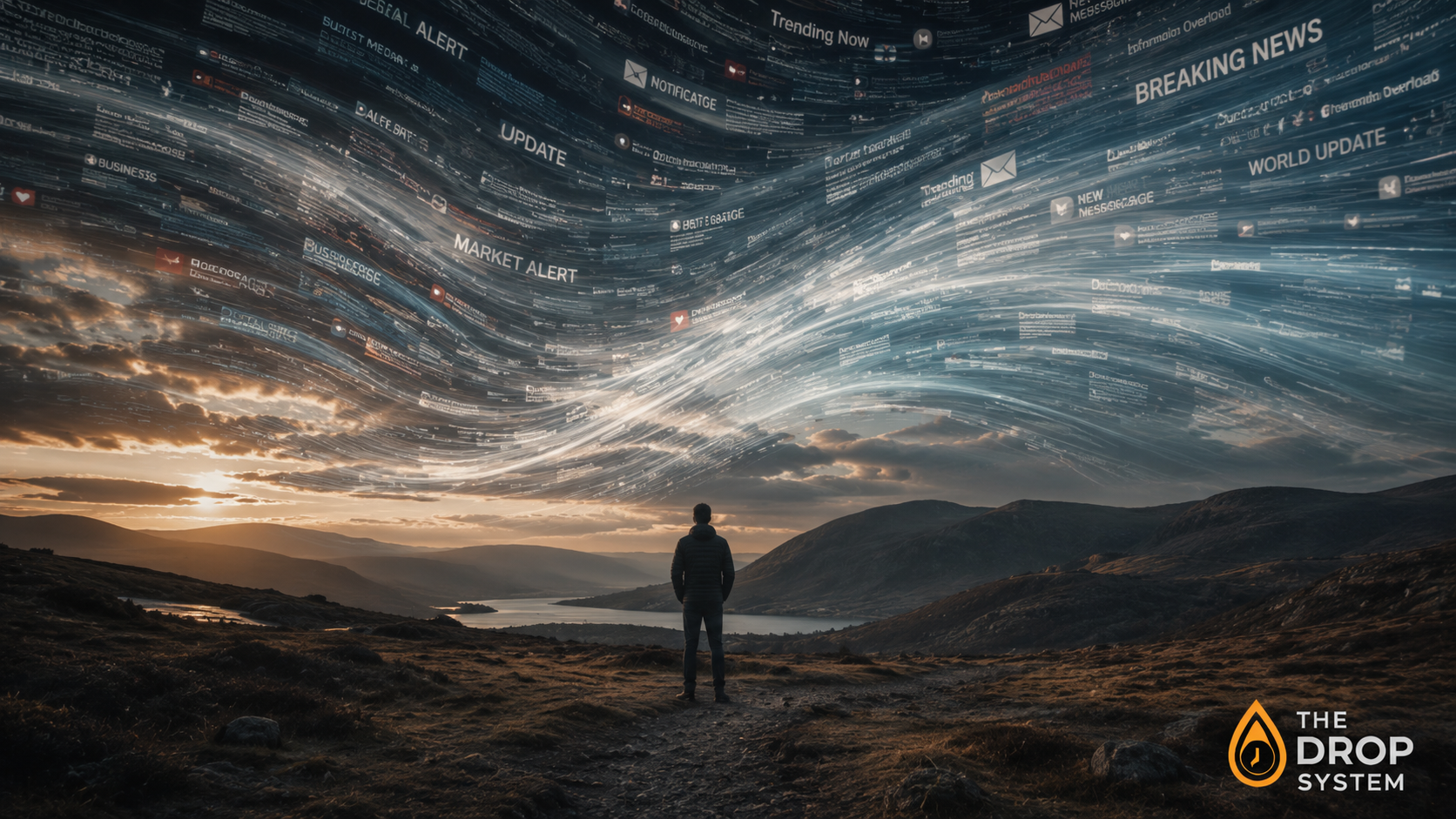
For most of human history, the human brain dealt with relatively limited streams of information. Conversations.Weather.Immediate threats.Community dynamics.Physical environments. Now compare that to a normal Tuesday morning. Before many people even leave the house, they have already processed: The volume is unprecedented. And while technology has evolved rapidly, the human brain has not evolved at…
-
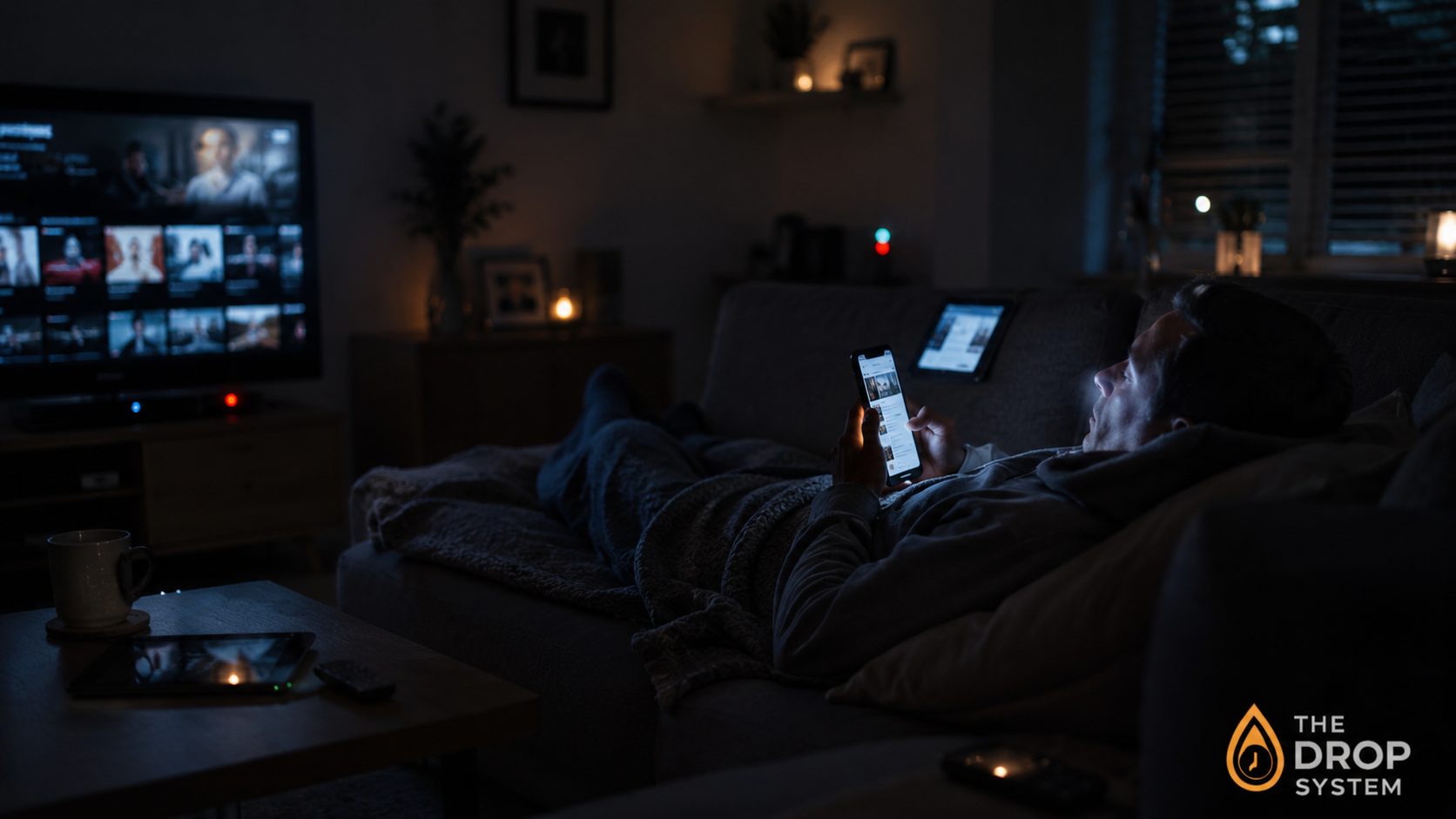
A lot of people are technically resting. They sit down.They stop working.They watch something.They scroll for a bit.They “switch off”. And yet they still feel mentally tired afterwards. Not fully restored.Not properly calm.Just slightly less active. That distinction matters. Because for many people now, rest has quietly become another form of stimulation. Why this feels…
-
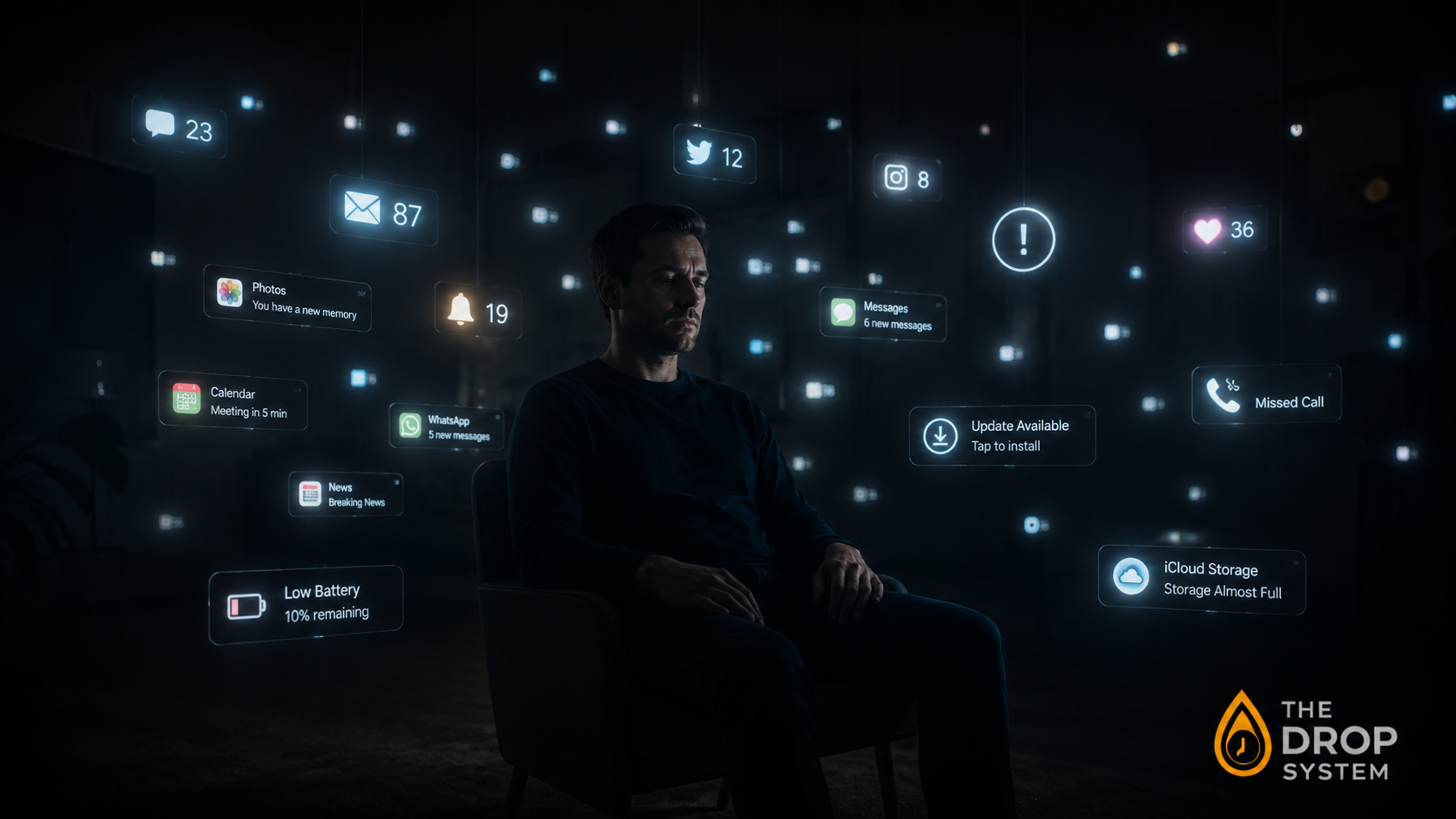
Most people think notifications are just interruptions. Small distractions.Minor annoyances.Tiny breaks in concentration. But over time, notifications do something much deeper than interrupt you. They train you. Not metaphorically. Behaviourally. Every vibration, alert, badge and pop-up teaches your brain to anticipate stimulation, shift attention rapidly and prioritise novelty over depth. And once you understand that…
-
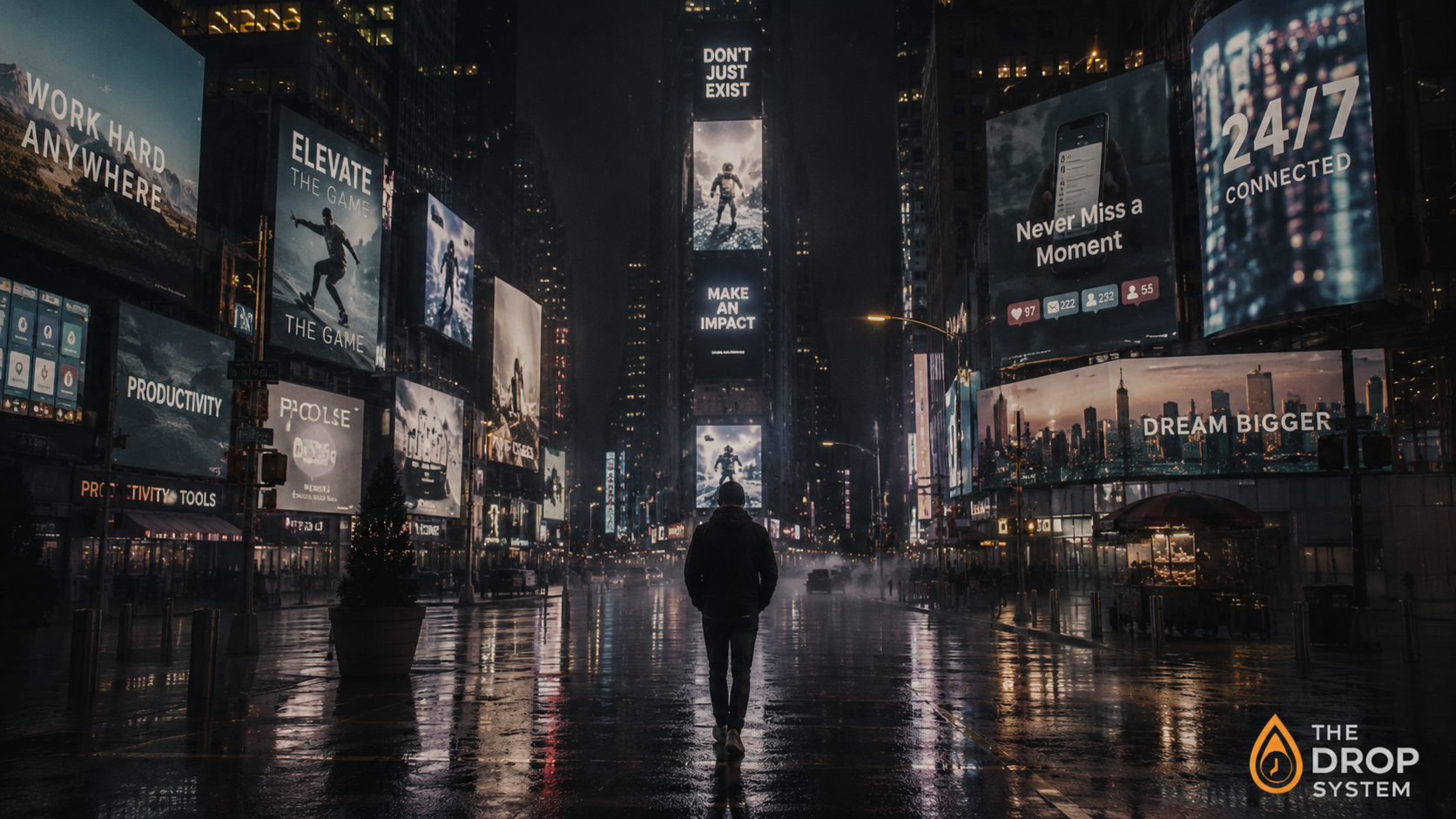
Most people think they’re struggling with distraction. But distraction is only the surface-level symptom. The deeper issue is this: You are living inside an economy built around capturing and holding your attention for as long as possible. That changes the environment more than most people realise. Because once attention becomes profitable, interruption stops being accidental.…
-
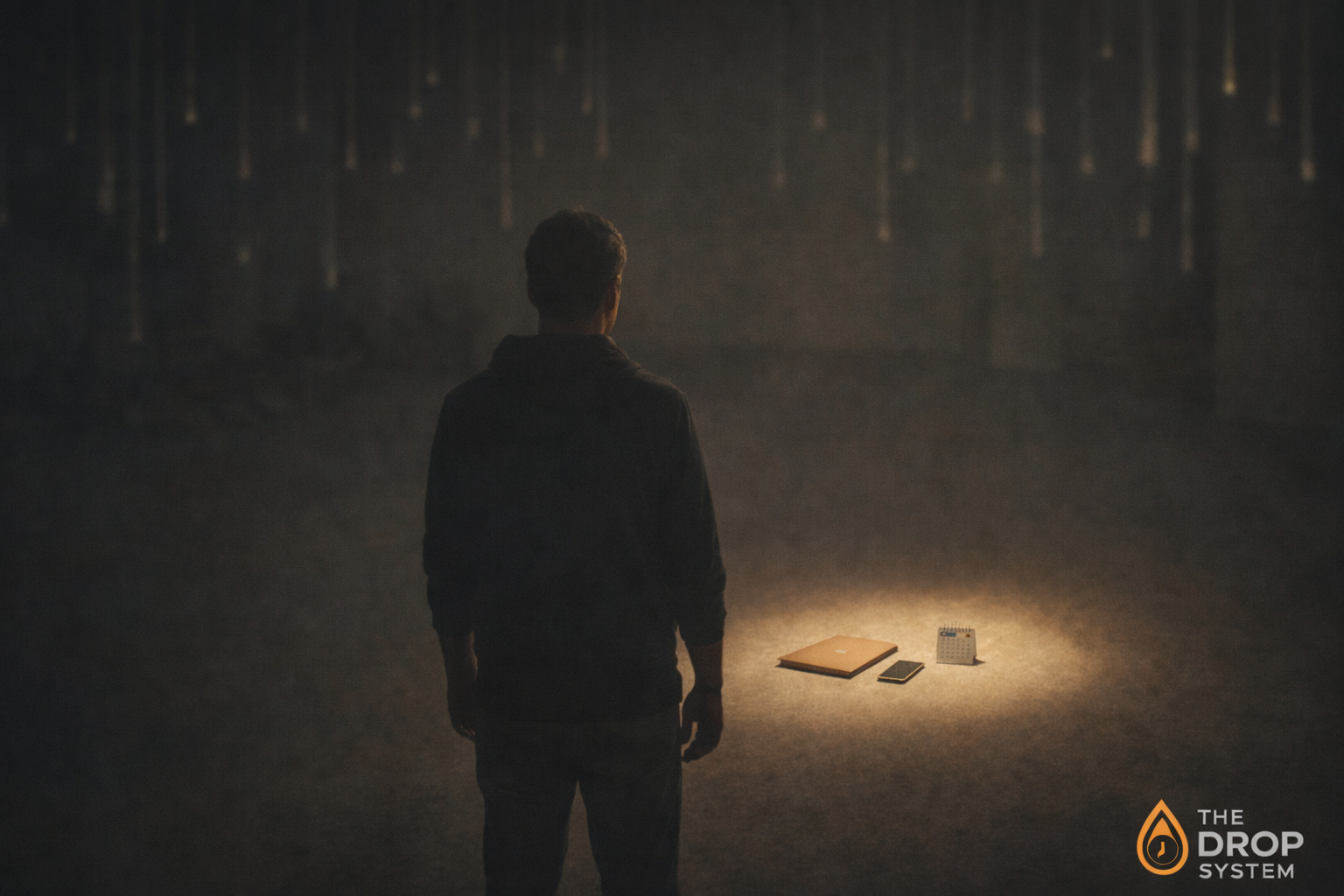
A lot of people think they’ve become lazy. Or less disciplined.Or mentally weaker somehow. They sit down to work and within minutes they: Then they blame themselves. But for many people, the problem is not intelligence or motivation. It’s exposure. You are living in an environment specifically designed to fragment your attention. And most people…